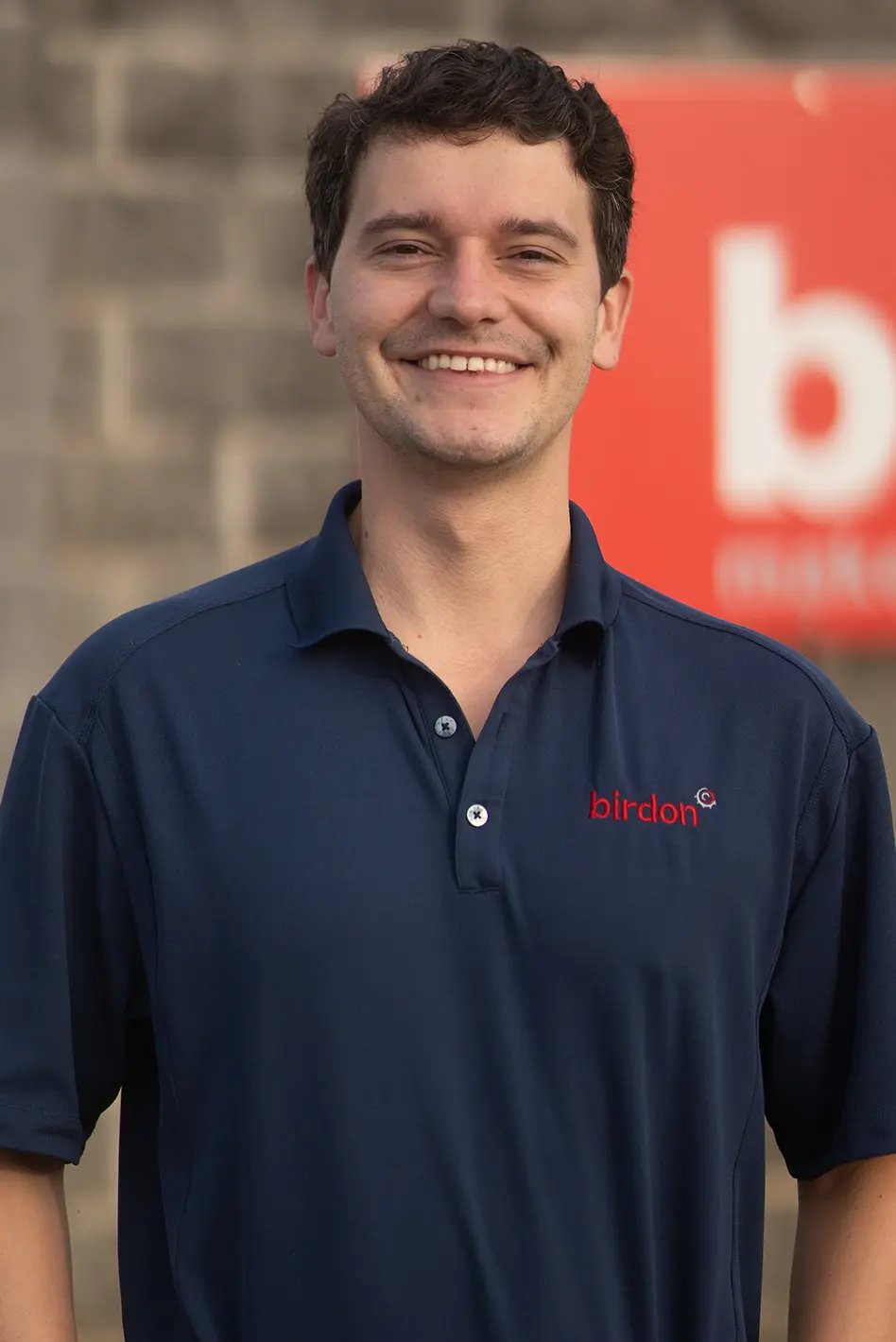



Reed Williams
When you work in a giant shipyard, it’s easy to get lost. You can feel disconnected from the real work and the actual team. Reed Williams, a seasoned program controls specialist, was looking for something different. He wanted “a more personal aspect to his work” – an environment where his contribution wouldn’t just be noticed, but would be essential from day one. He found that at Birdon, where the focus was less on climbing a ladder and more on the shared, ambitious goal of building complex vessels.
Reed’s role is to provide the data-driven “why” that underpins major defence programs. His impact was immediate. “When I onboarded, the full EVMS [Earned Value Management System??] data implementation didn’t exist,” he recalls. In his first year, Reed was one of the team entrusted to help build that system from the ground up, shaping how the company tracks and forecasts its most critical projects.
This isn’t just about crunching numbers. “The most rewarding part is coming up with the ‘why’ and the ‘what to do’ from the data,” Reed explains. His work provides essential clarity for multi-year, high-stakes programs, including those for clients like the US Coast Guard. It’s about answering the tough, vital questions: “What happened, and what can we do about it?”
This work translates directly to accountability and trust with the customer. “My work is for the customer,” he states pragmatically. “These are their ships. They are paying for them. We’re making sure they understand exactly what they are spending their money on and what they will receive in the end.”
“To ‘make it happen’ is to make sure all the teams involved succeed in the ask… We are in constant comms, asking questions, and making sure all members of the team are getting to the finish line!”
This level of trust; both with clients and internal teams, is at the heart of “making it happen” the Birdon way. For Reed, it’s a team sport that runs on communication and a shared understanding of the goal. How does it work in practice? “We are in constant comms, asking questions, and making sure we all understand what we are trying to do here,” he says. This is the pragmatic side of the “family culture” – less about slogans and more about shared accountability. “That’s success. Making sure all members of the team are getting to the finish line!”